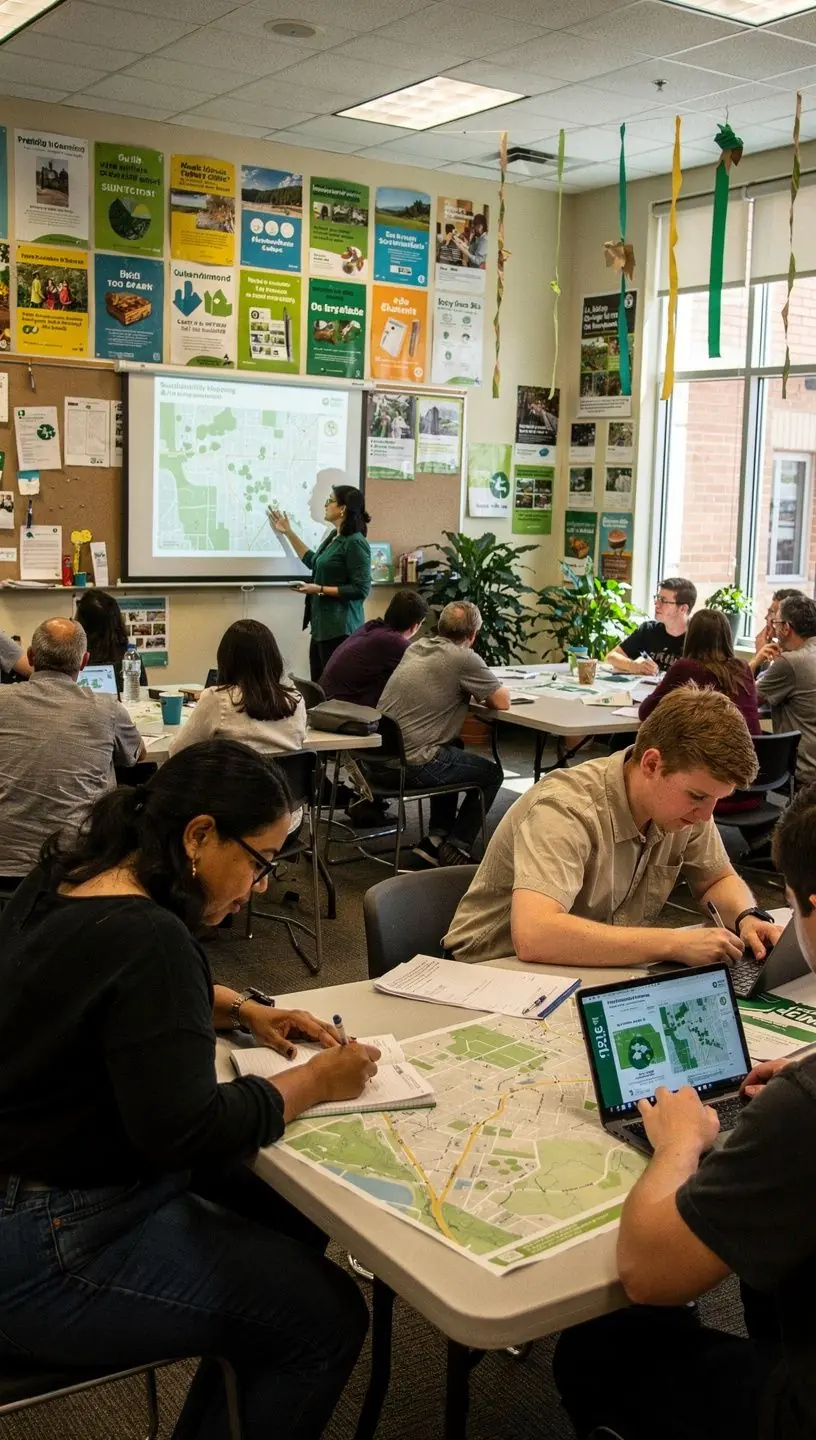
The Role of Citizen Science in Environmental Monitoring
In recent years, citizen science has emerged as a vital component in the monitoring and understanding of environmental changes. Engaging the public in scientific endeavors can lead to significant advancements in data collection, analysis, and informed decision-making.
Understanding Citizen Science
Citizen science refers to the collaboration between professional scientists and non-professionals who volunteer to contribute to scientific research. This approach not only expands the reach of data collection but also fosters a deeper connection between communities and their local environments. According to a report by the National Academies of Sciences, Engineering, and Medicine, citizen science projects can provide high-quality data comparable to that collected by trained professionals.

"Citizen science empowers communities to take an active role in environmental stewardship, facilitating a better understanding of ecological changes." - Environmental Research Journal
Benefits of Citizen Science in Environmental Monitoring
Engaging citizens in environmental monitoring offers several benefits:
- Broader Data Collection: Many citizen science projects focus on collecting data related to biodiversity, pollution levels, and climate change effects. This widespread participation can yield vast amounts of data that would be challenging for a small team of scientists to collect alone.
- Increased Public Awareness: Involvement in scientific research often educates participants about their environment, leading to heightened awareness of ecological issues and fostering a sense of responsibility towards environmental conservation.
- Community Engagement: Collaborating in citizen science initiatives often brings communities together, helping to build networks of individuals who are committed to environmental monitoring and advocacy.
Challenges and Considerations
While citizen science presents many opportunities, it is essential to acknowledge the challenges involved:
- Data Quality: Although many studies indicate that data collected by citizen scientists can be reliable, variability in experience and expertise among volunteers can affect data quality. Researchers often implement training sessions or clear guidelines to ensure consistency.
- Time and Commitment: Participating in citizen science projects often requires a time commitment, which may vary depending on the project's scope. Interested individuals should assess their availability and willingness to engage in ongoing data collection efforts.
- Resource Availability: Some projects may need additional resources for successful implementation, such as technology for data collection or access to training materials.
Examples of Successful Citizen Science Projects
Numerous successful citizen science initiatives in the U.S. illustrate the potential impact of community involvement:
- eBird: This program allows birdwatchers to contribute their observations, creating an extensive database that researchers use to track bird populations and migration patterns.
- iNaturalist: By documenting biodiversity through photographs and observations, participants contribute to a global database that assists in species identification and distribution studies.
- CoCoRaHS: The Community Collaborative Rain, Hail & Snow Network enables volunteers to report precipitation data, aiding in more accurate weather forecasting and climate research.
Conclusion
Citizen science plays a crucial role in environmental monitoring by leveraging community involvement to gather valuable data. While there are challenges to overcome, such as ensuring data quality and maintaining participant engagement, the benefits of fostering a more informed and proactive public cannot be overstated. By participating in these initiatives, individuals can contribute to meaningful change and enhance their understanding of the environment around them.