Assessing the Impact of Urbanization on Local Wildlife
Urbanization is a significant factor influencing biodiversity and wildlife habitats across the United States. Understanding its impact is crucial for conservation efforts and fostering a balance between urban development and wildlife preservation.
Understanding Urbanization and Wildlife Interactions
Urbanization refers to the increasing number of people living in urban areas, which leads to the transformation of landscapes for housing, transportation, and other infrastructure. According to research from the U.S. Geological Survey, urban areas can significantly alter local ecosystems, often resulting in habitat loss and fragmentation. This disruption can severely impact local wildlife populations.
"Habitat loss is one of the most significant threats to biodiversity globally, and urbanization plays a crucial role in this phenomenon." - Dr. Sarah Thompson, Ecologist
Key Impacts of Urbanization on Local Wildlife
Several studies highlight the various ways urbanization affects wildlife. Here are the primary impacts:
- Habitat Loss: The construction of buildings and roads often leads to the destruction of natural habitats. Research indicates that many species struggle to adapt to these changes, leading to population declines.
- Fragmentation: Urban sprawl can fragment habitats, making it difficult for wildlife to find food, mates, and migrate. This fragmentation can lead to inbreeding and decreased genetic diversity.
- Pollution: Urban areas are typically associated with higher levels of pollution, which can affect wildlife health. For instance, studies show that increased exposure to pollutants can lead to reproductive and developmental issues in various species.
Mitigating the Effects of Urbanization
While urbanization poses challenges, strategies exist to mitigate its impact on wildlife:
- Green Spaces: Incorporating parks and green corridors in urban planning can provide vital habitats for wildlife. According to the National Park Service, well-planned green spaces can support biodiversity and improve urban ecosystems.
- Wildlife Corridors: Establishing corridors allows animals to move freely between fragmented habitats, promoting genetic diversity and population stability. Research suggests that these corridors can reduce animal-vehicle collisions and enhance wildlife movement.
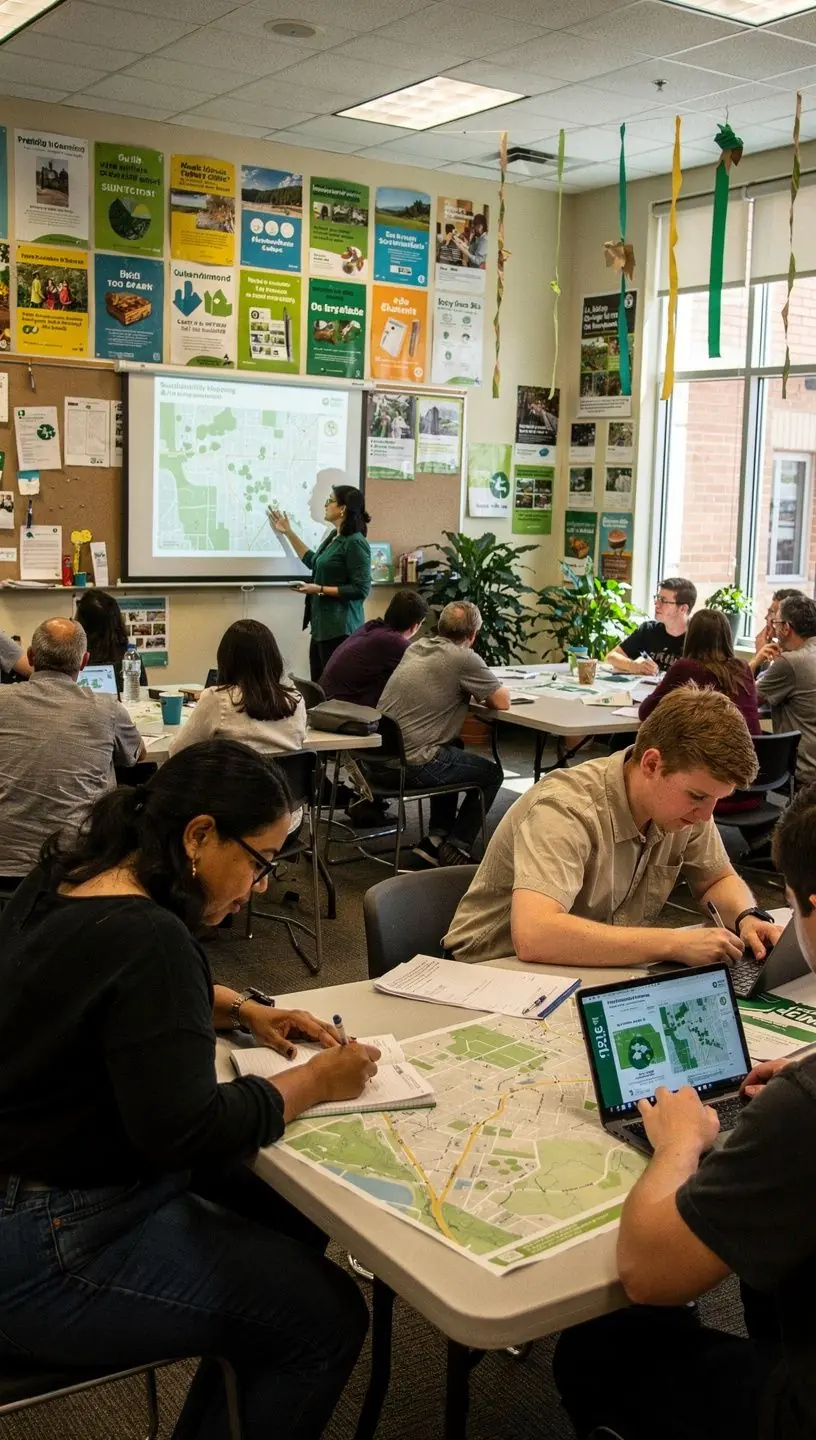
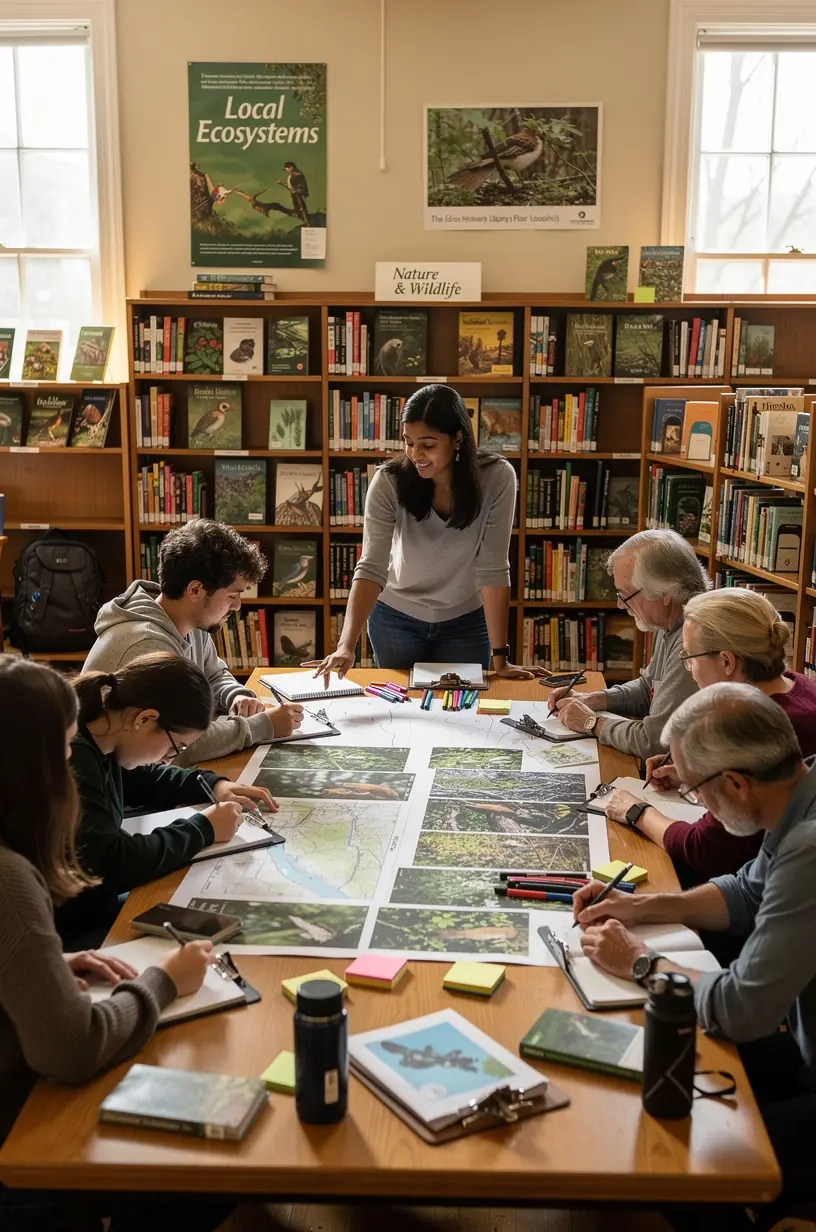
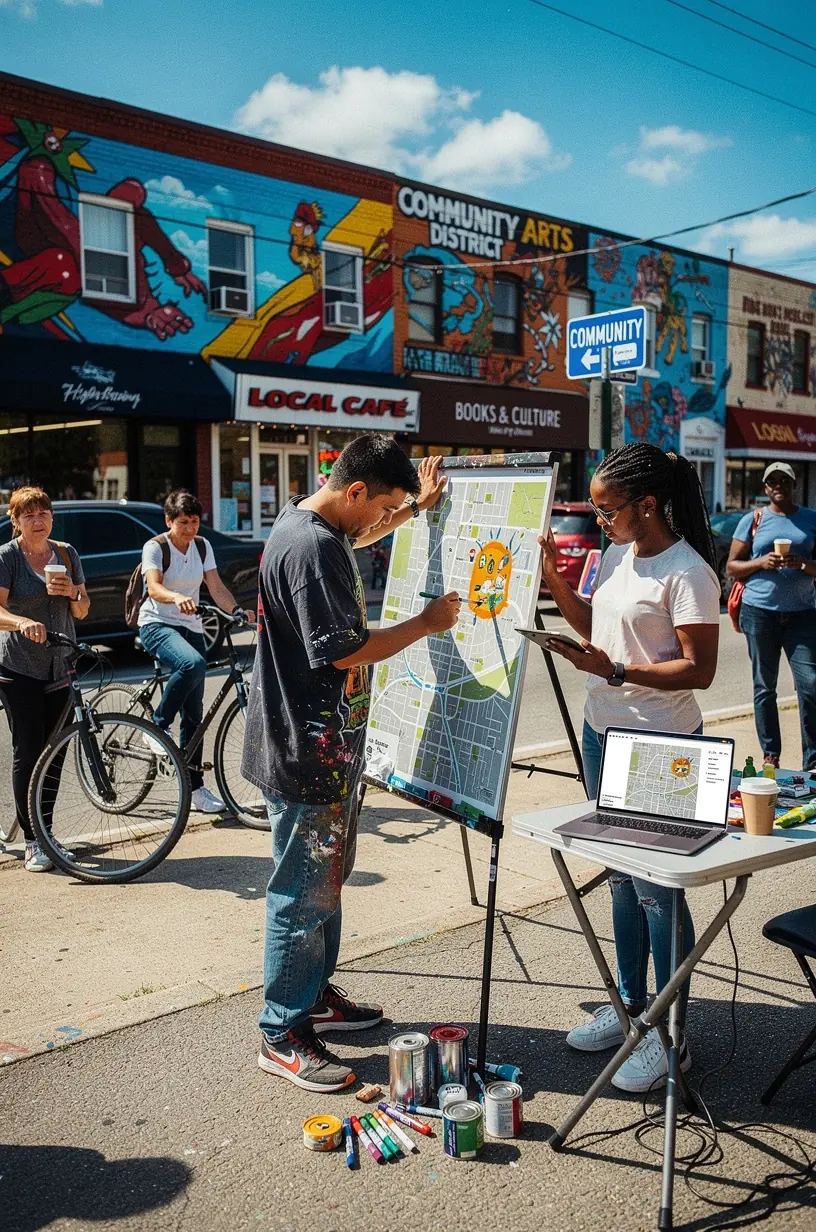
- Community Engagement: Involving local communities in conservation efforts can raise awareness about wildlife issues and encourage sustainable practices. Educational programs that focus on native species can foster respect and protection for local ecosystems.
Conclusion
The relationship between urbanization and wildlife is complex and requires careful consideration. While urban development is inevitable, understanding its impacts can guide effective conservation strategies. By prioritizing green spaces, establishing wildlife corridors, and engaging communities, cities can create environments that support both human and wildlife populations. Continued research and collaboration among urban planners, ecologists, and local residents will be essential in achieving sustainable coexistence.
Find Out More