Community Engagement in Local Ecosystem Restoration
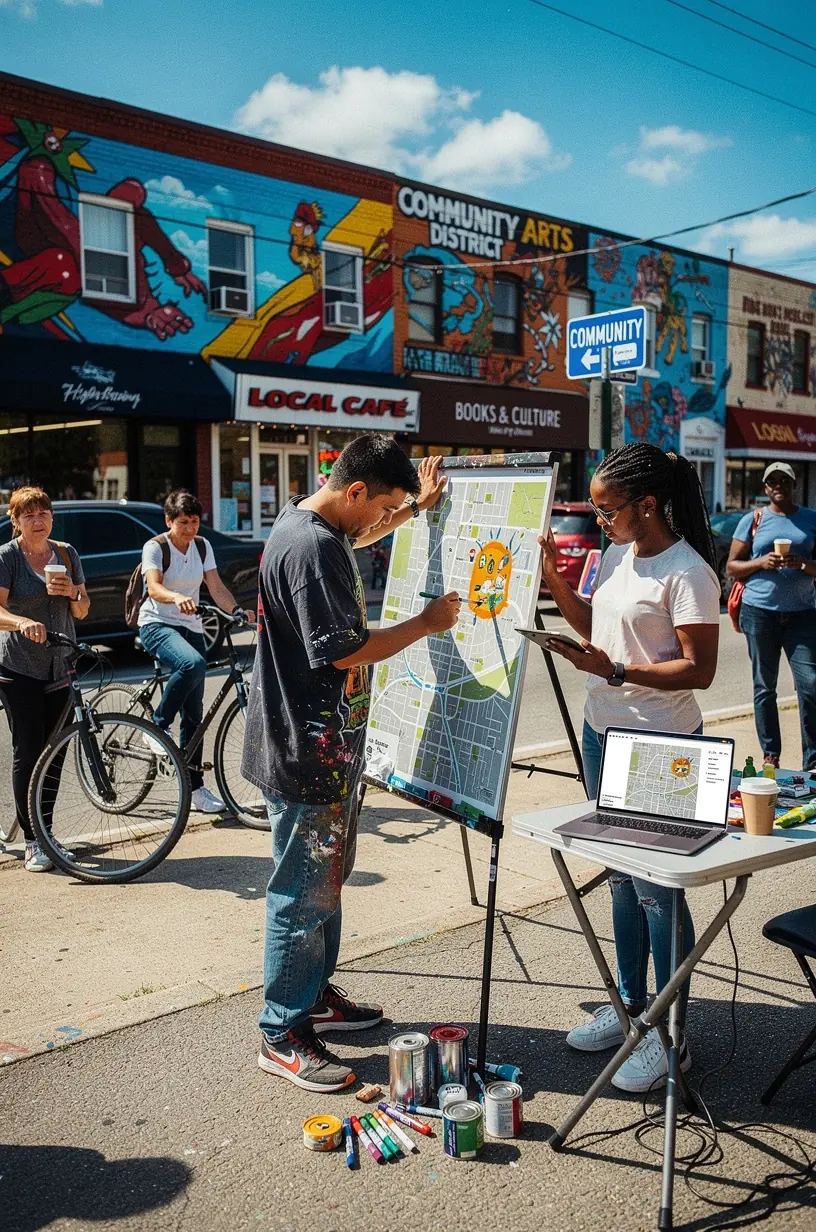
The restoration of local ecosystems relies heavily on community engagement. By fostering active participation, communities can significantly influence the effectiveness and sustainability of restoration efforts. This article explores the importance of community involvement, the methods to enhance engagement, and realistic expectations for successful ecosystem restoration initiatives.
The Importance of Community Engagement
Engaging community members in local ecosystem restoration can lead to more effective conservation outcomes. Research indicates that when communities are actively involved, projects are more likely to meet their ecological goals. Community members often possess valuable local knowledge that can inform restoration strategies, making them essential partners in the process.
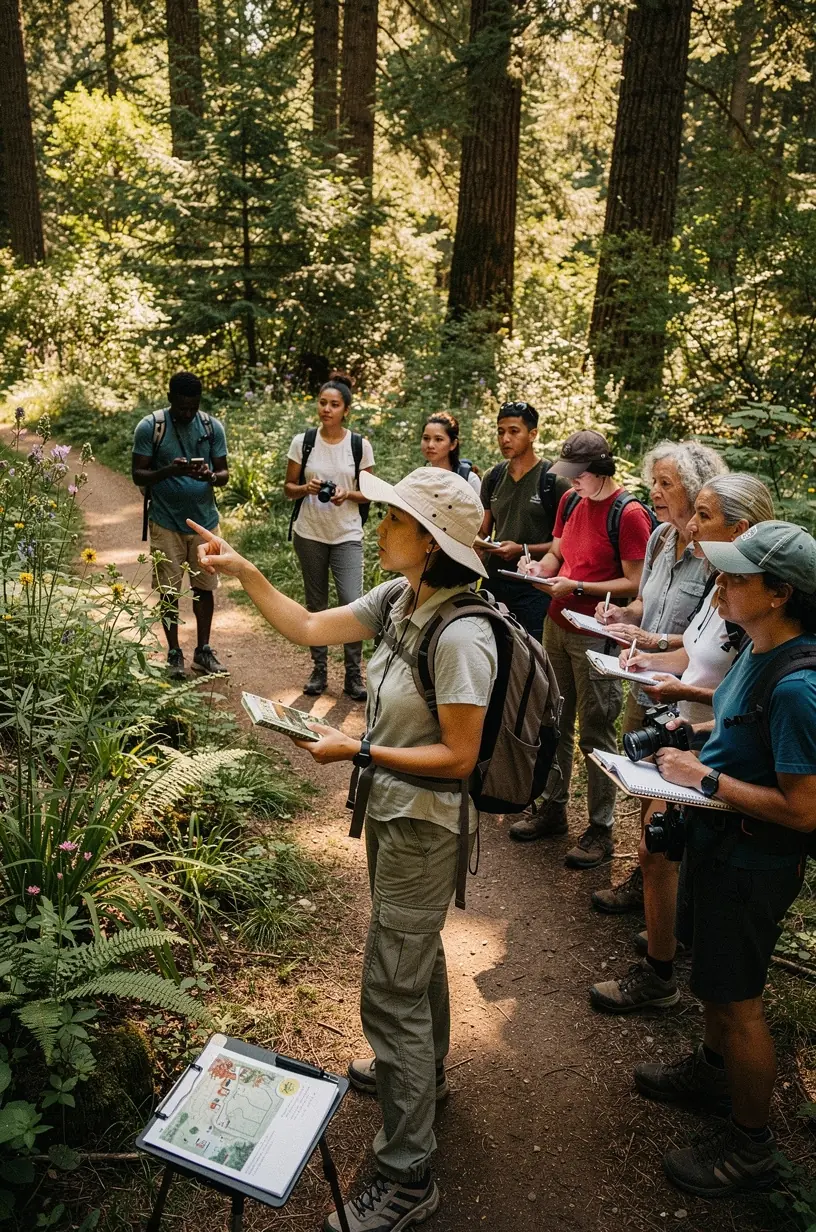
"Community involvement not only enhances the success of restoration efforts but also fosters a sense of ownership and responsibility among residents." – Environmental Expert
Strategies for Enhancing Community Participation
To effectively engage communities in ecosystem restoration, several strategies can be employed:
- Education and Awareness: Initiatives that educate local residents about the importance of ecosystems and restoration practices can build a knowledgeable base. Studies show that community-led education campaigns can increase awareness and participation.
- Inclusive Planning: Incorporating diverse community voices in the planning stages of restoration projects ensures that the needs and perspectives of various stakeholders are considered. A collaborative approach can help create shared goals.
- Volunteer Opportunities: Providing hands-on opportunities for community members to participate in restoration activities, such as tree planting or habitat clean-ups, encourages direct involvement. Reports suggest that people are more likely to engage when they can see tangible outcomes from their efforts.
Challenges to Community Engagement
While community engagement is beneficial, it can come with challenges. Factors such as time constraints, lack of awareness, and differing priorities can hinder participation. Acknowledging these barriers is crucial:
- Time Commitment: Engaging in restoration activities typically requires a commitment of time and effort. It is essential for organizers to communicate realistic expectations regarding the time involved.
- Resource Availability: Successful engagement often depends on the availability of resources and support. It is important to identify potential sources of funding or partnerships that can facilitate community involvement.
- Ongoing Communication: Maintaining open lines of communication with community members is vital to sustain interest and involvement over time. Regular updates and feedback mechanisms can help build trust and motivation.
Conclusion
Community engagement plays a pivotal role in local ecosystem restoration efforts. By fostering inclusive participation and addressing potential challenges, communities can contribute significantly to ecological health and sustainability. As experts suggest, successful restoration is built on strong community foundations, creating not just a healthier environment, but also a more connected and informed populace.