Understanding the Role of Local Farmers in Sustainability
Local farmers play a crucial role in promoting sustainability within their communities. By utilizing eco-friendly practices and fostering biodiversity, these agricultural producers contribute to a healthier ecosystem. This article explores the significant impact local farmers have on sustainability and the methodologies they employ.
The Importance of Local Farming
Local farming is essential for a variety of reasons. Research indicates that local food systems can reduce carbon footprints, as they involve shorter transportation distances. Furthermore, when consumers buy directly from local farms, they support the local economy and promote community resilience.

"Local farmers are at the forefront of sustainable practices, enhancing food security and preserving the environment." - Agriculture Expert
Practices Promoting Sustainability
Many local farmers adopt sustainable practices that not only benefit their operations but also contribute positively to the environment. Some of these methods include:
- Crop Rotation: This technique helps maintain soil fertility and reduces pest infestations. According to experts, rotating crops can increase yields by 10-20% over time.
- Organic Farming: Utilizing organic fertilizers and pest management methods prevents harmful chemicals from entering local ecosystems. Studies show that organic farming can improve soil health and biodiversity.
- Agroforestry: Integrating trees into agricultural systems can enhance biodiversity, improve soil structure, and sequester carbon. This practice is recognized as a viable method for mitigating climate change effects.
Community Engagement and Education
Local farmers often engage with their communities to promote sustainable practices. Experts suggest that community involvement is essential for fostering a culture of sustainability. This can include:
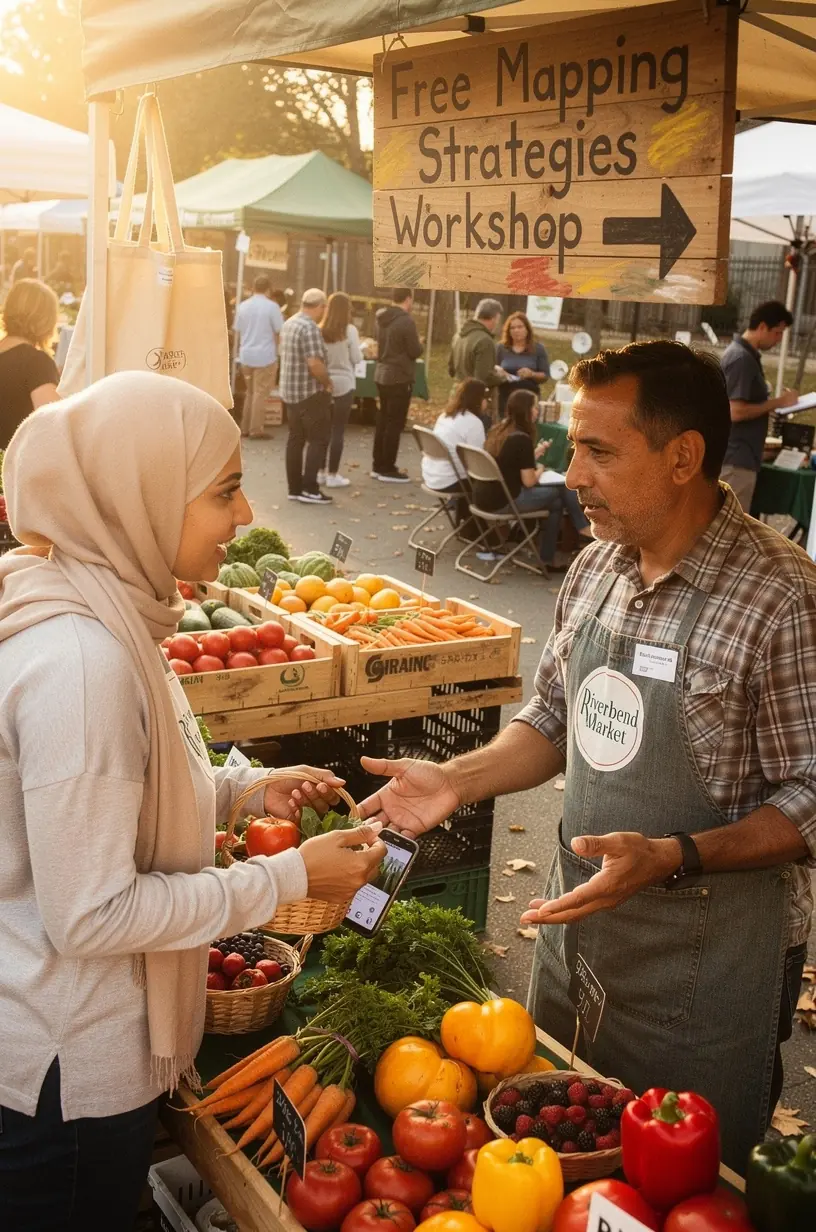
- Farmers Markets: These markets provide a venue for farmers to connect with consumers and share knowledge about sustainable practices.
- Educational Programs: Many farmers host events to educate the public about the benefits of local food systems and sustainable agriculture.
- Collaborations: Partnerships between farmers and local organizations can amplify their impact on sustainability efforts, such as community gardens or conservation projects.
Challenges Faced by Local Farmers
Despite their significant contributions, local farmers often face challenges that can hinder their sustainable practices. Key issues include:
- Market Access: Competing with larger agricultural producers can make it difficult for local farmers to thrive.
- Climate Change: Changing weather patterns can impact crop yields and increase pest pressures.
- Financial Constraints: Transitioning to sustainable practices may require upfront investment, which can be a barrier for some farmers.
Conclusion
Local farmers are pivotal in advancing sustainability within their communities. Through the adoption of environmentally friendly practices and active community engagement, they contribute to a more resilient food system. While challenges exist, the ongoing efforts of these farmers highlight the importance of supporting local agriculture for a sustainable future. As local consumers, choosing to purchase from these farmers can significantly impact both the economy and the environment.