The Intersection of Culture and Environmental Stewardship
Exploring the relationship between cultural practices and environmental responsibility reveals a complex interplay that can foster a sustainable future. This article delves into how various cultural traditions across the United States contribute to environmental stewardship, promoting a balanced relationship between humanity and nature.
Understanding Cultural Perspectives on Nature
Many indigenous cultures view the environment as an integral part of their identity and survival. According to research conducted by the National Park Service, these communities often practice sustainable land management methods that have been passed down through generations. For instance, the traditional agricultural practices of the Pueblo tribes in the Southwest emphasize crop rotation and companion planting, which are techniques that enhance soil health and biodiversity.

"Cultural practices that respect and sustain the environment can guide modern ecological efforts." – Dr. Sarah Thompson, Environmental Anthropologist
The Role of Education in Cultural Stewardship
Educational initiatives that incorporate cultural knowledge can significantly enhance environmental awareness. Many experts recommend integrating local cultural histories into environmental science curricula, which can create a deeper understanding of ecological issues. For example, programs that highlight the significance of the Chesapeake Bay to local communities have shown that understanding cultural ties can motivate conservation efforts.
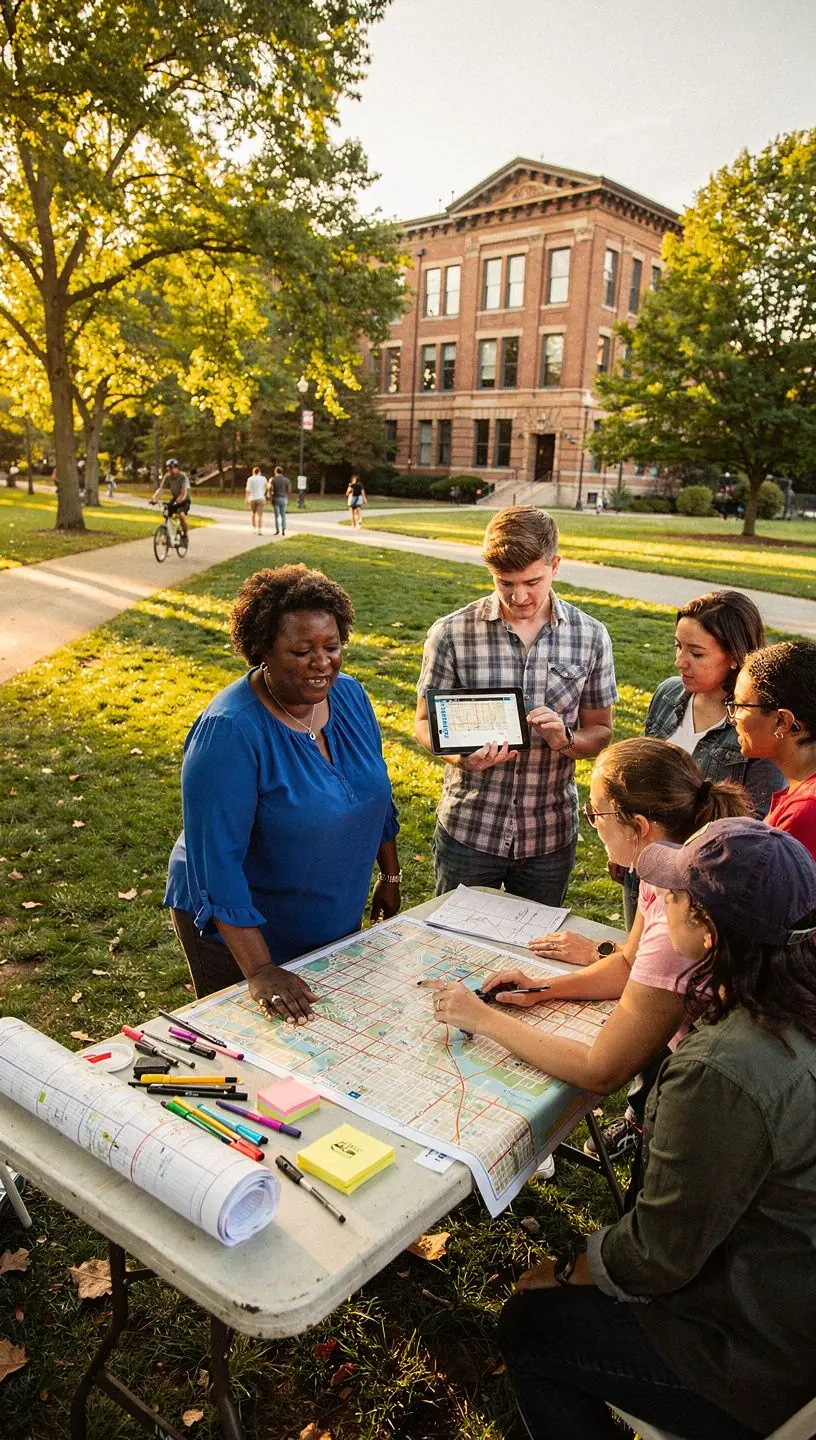
Community Engagement and Environmental Action
- Local Cleanup Events: Many cultural organizations host cleanup events that not only beautify the community but also educate participants about local ecosystems and their importance. For instance, studies indicate that community participation in environmental cleanups typically leads to increased community pride and stewardship.
- Art and Environmental Advocacy: Artistic expressions, such as murals and performances, often address environmental themes rooted in local culture. Research shows that these forms of expression can raise awareness and inspire action regarding environmental issues.
- Cultural Festivals: Events that celebrate local traditions often include components that promote environmental sustainability, such as workshops on native plant gardening or sustainable fishing practices. Engaging community members in these discussions can yield significant long-term benefits.
Challenges and Acknowledging Limitations
While cultural stewardship offers promising avenues for environmental action, there are challenges to consider. Engaging communities typically requires time and sustained effort to build trust and collaboration. Efforts may not yield immediate results, and various factors, including socioeconomic status and access to resources, can impact community involvement. It is important to approach these challenges with realistic expectations, understanding that successful engagement often takes place over months or years.
Conclusion
The intersection of culture and environmental stewardship presents a rich opportunity for fostering sustainable practices. By recognizing and integrating cultural values into environmental efforts, communities can create a more profound connection with their surroundings. Moving forward, it is essential to prioritize education and community engagement in order to cultivate a shared responsibility for the environment, ensuring that both cultural and ecological heritage endure for future generations.
Find Out More