Understanding Community-Driven Conservation Efforts
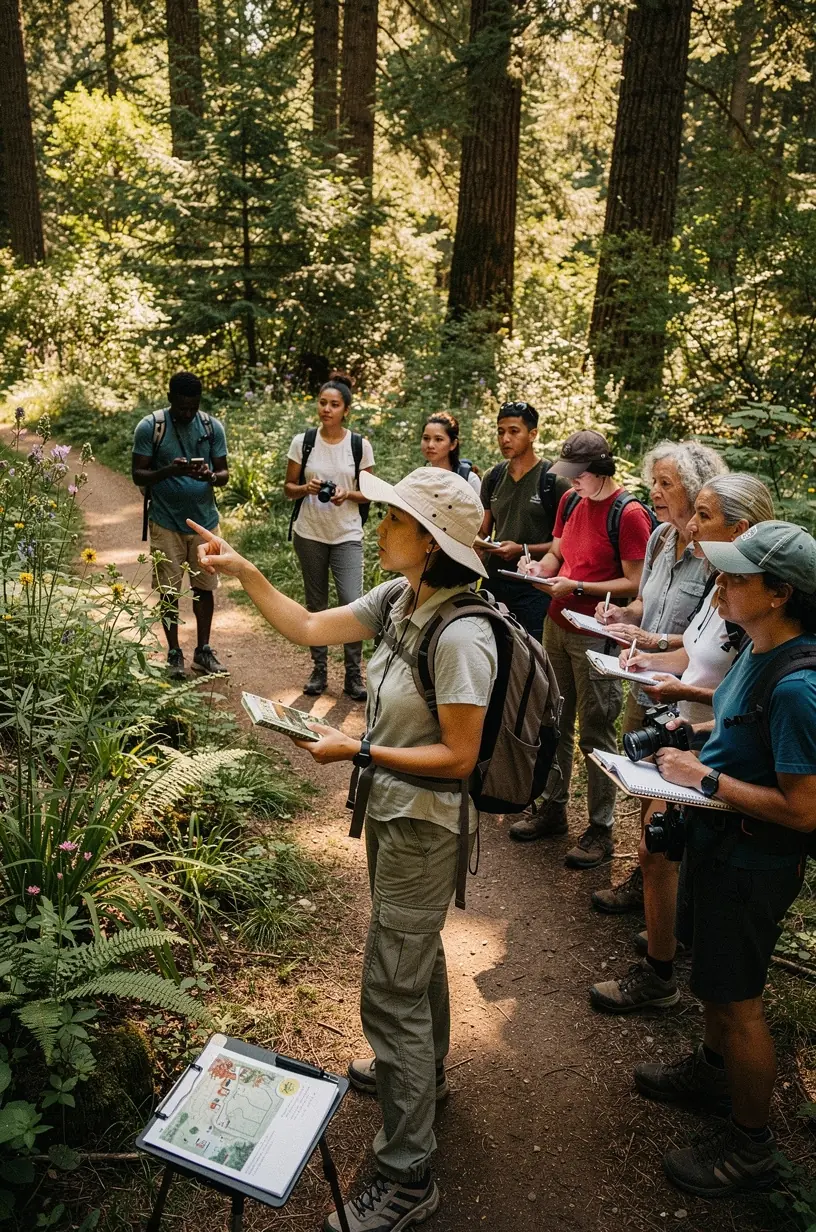
Community-driven conservation efforts are vital in preserving local ecosystems across the United States. By engaging local populations, these initiatives not only enhance biodiversity but also foster a deeper connection between communities and their natural environments.
The Importance of Community Engagement
According to a report by the National Oceanic and Atmospheric Administration, community involvement in conservation projects typically leads to more sustainable outcomes. This occurs because local stakeholders often possess invaluable knowledge about their ecosystems, allowing for tailored conservation strategies that are likely to be more effective.
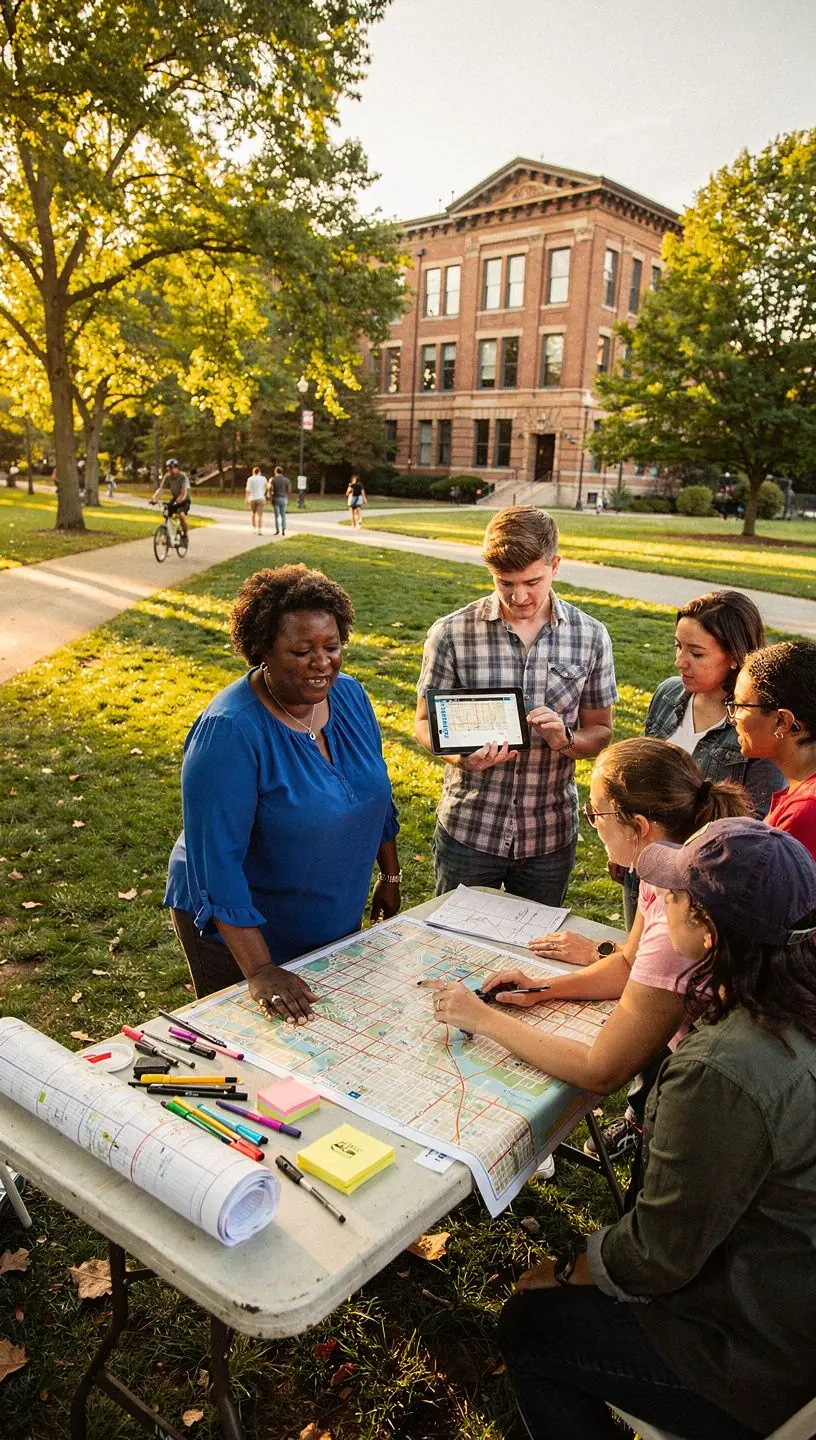
"Community participation can significantly enhance the success of conservation initiatives by leveraging local knowledge and fostering stewardship among residents." - Environmental Science Journal
Effective Strategies for Community-Driven Conservation
- Building Trust: Establishing trust within the community is crucial. Engaging local leaders and involving them from the outset can facilitate a sense of ownership and responsibility.
- Education and Awareness: Programs aimed at educating community members about local ecosystems and the impacts of environmental issues can increase participation. Research suggests that informed communities are more likely to engage in conservation actions.
- Collaborative Projects: Involving the community in hands-on projects, such as habitat restoration or clean-up events, not only improves the local environment but also strengthens community bonds.
Challenges and Considerations
While community-driven efforts can be beneficial, they often come with challenges. Initiatives may require considerable time and commitment, as building relationships and trust typically takes several months. Furthermore, not all community members may initially be receptive to conservation efforts, necessitating strategies to address skepticism and resistance.
Experts recommend a phased approach to conservation initiatives, starting with small, manageable projects that can demonstrate success and gradually building on that momentum. This approach allows for ongoing community feedback, which can lead to refinements in strategy and greater overall effectiveness.
A Real-World Example: The Chesapeake Bay Initiative
The Chesapeake Bay restoration efforts exemplify the potential of community-driven conservation. Over the years, various local groups have mobilized to address pollution and habitat loss in the bay area. By incorporating local knowledge and encouraging community participation, these efforts have led to measurable improvements in water quality and biodiversity.
Conclusion
Community-driven conservation efforts represent a promising avenue for enhancing local ecosystems throughout the United States. By engaging local populations, leveraging community knowledge, and fostering a collaborative spirit, these initiatives can effectively address environmental challenges. While the path may involve overcoming various obstacles, the potential benefits for both communities and ecosystems are significant and worth the investment of time and resources.