Exploring the Benefits of Urban Green Spaces
Urban green spaces, such as parks, gardens, and green roofs, are essential components of city life. They not only enhance the aesthetic value of urban environments but also contribute to the physical and mental well-being of the community. This article will delve into the various benefits associated with these spaces and how they can positively impact urban living.
Understanding the Importance of Urban Green Spaces
Urban green spaces play a critical role in enhancing the quality of life in cities. According to research from the American Society of Landscape Architects, well-designed green areas can improve urban air quality, provide habitats for wildlife, and reduce the urban heat island effect. These benefits are vital in combating climate change and promoting biodiversity.
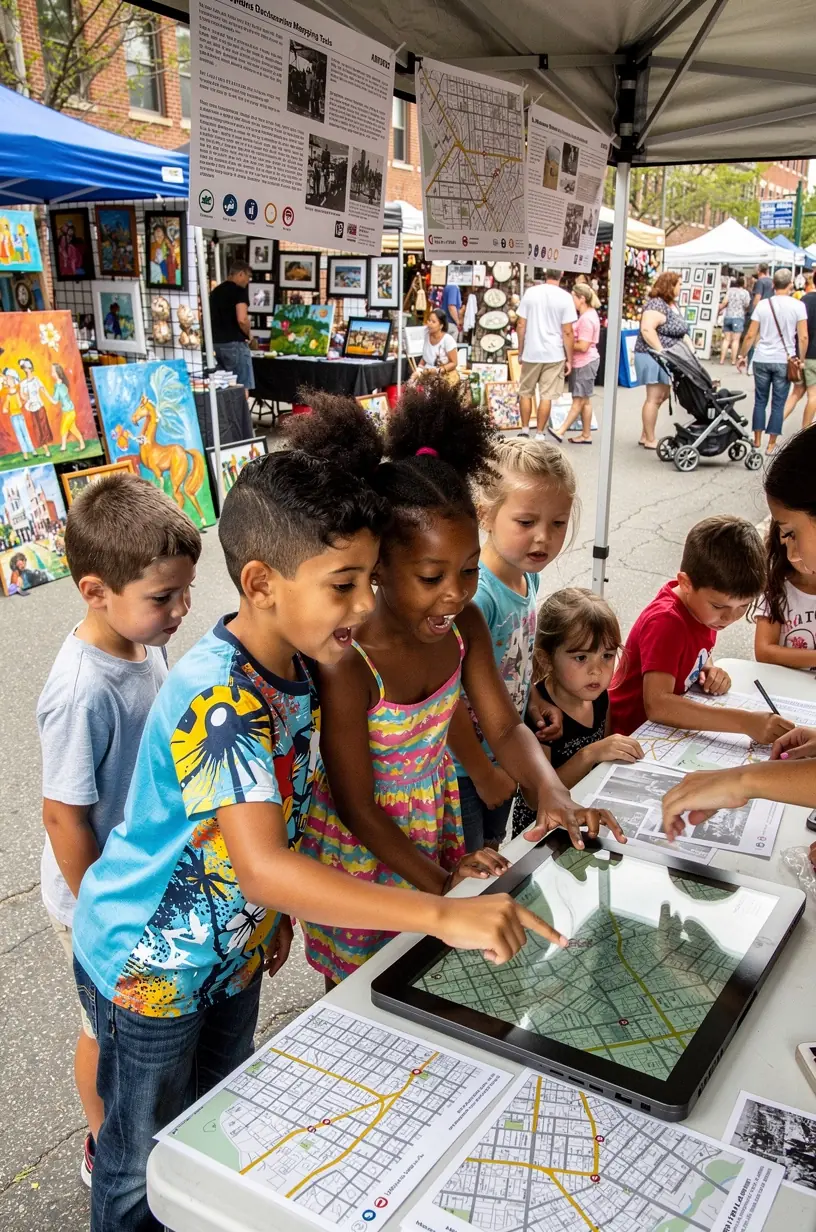
"Access to green spaces is linked to lower levels of stress and higher levels of physical activity, according to studies conducted by urban planning researchers."
Health Benefits
Numerous studies indicate that urban green spaces can significantly enhance community health. Regular access to parks and natural areas is associated with:
- Reduced Stress: Exposure to nature has been shown to lower cortisol levels, promoting relaxation and stress relief.
- Increased Physical Activity: Green spaces encourage exercise, with many users reporting improved fitness levels from walking, jogging, or engaging in recreational sports.
- Enhanced Mental Health: Natural environments can improve mood and reduce symptoms of anxiety and depression, according to mental health experts.
Environmental Advantages
The environmental benefits of urban green spaces extend beyond aesthetics. They include:
- Improved Air Quality: Plants absorb pollutants and produce oxygen, contributing to cleaner air.
- Stormwater Management: Green spaces help mitigate flooding by absorbing rainwater, reducing surface runoff.
- Biodiversity Conservation: Parks and gardens can provide critical habitats for various species, promoting urban biodiversity.
Social and Economic Impact
Urban green spaces also foster community interaction and can stimulate local economies. According to the National Recreation and Park Association, neighborhoods with well-maintained parks tend to have higher property values. Additionally:
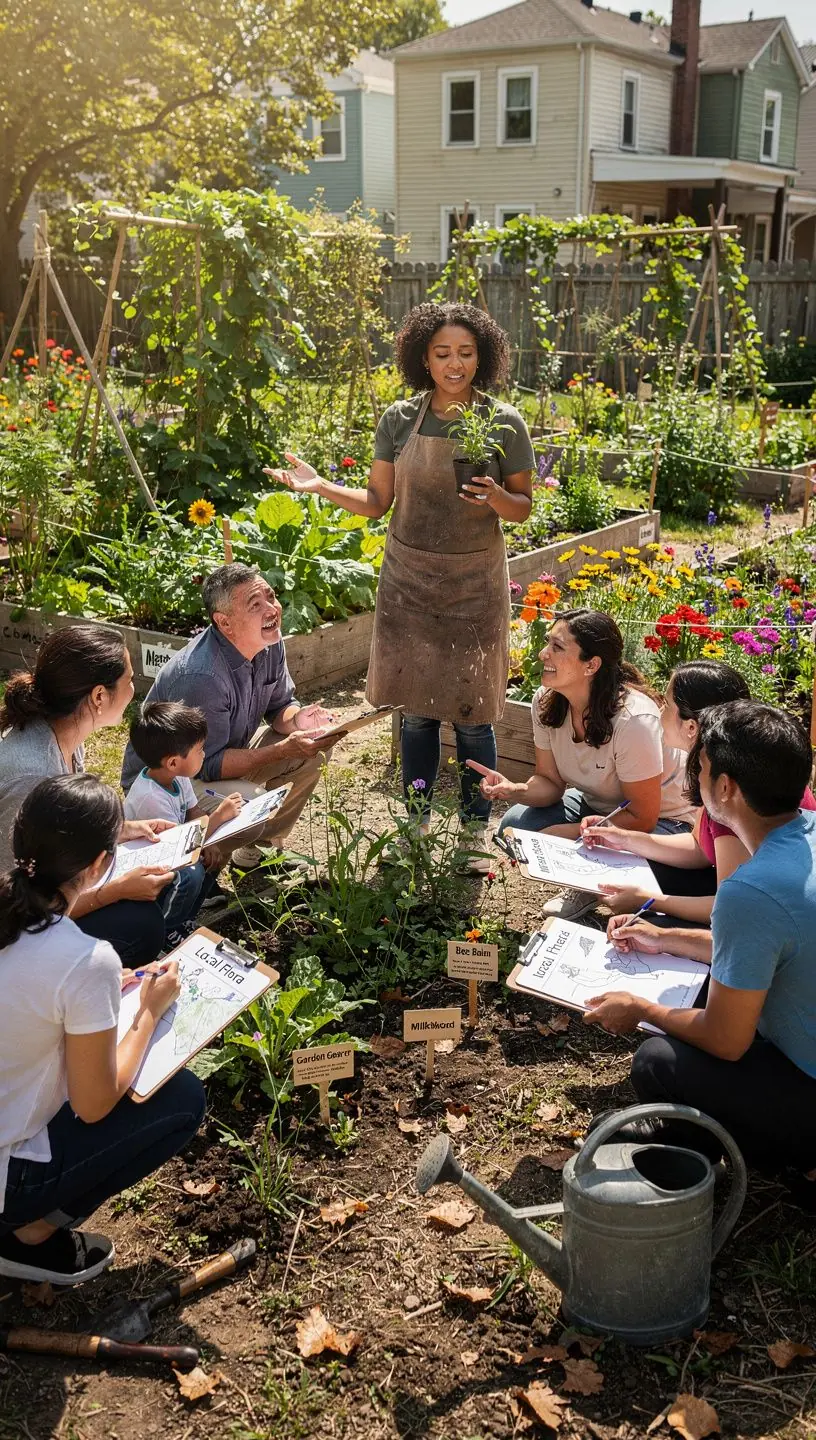
- Community Engagement: Green spaces serve as gathering spots for social events, encouraging interaction among residents.
- Increased Local Business: Parks can attract visitors, benefiting nearby businesses and boosting the local economy.
Challenges and Considerations
While the benefits of urban green spaces are clear, several challenges must be addressed. Maintenance can be resource-intensive, and planning must consider the needs of diverse community members. Effective management typically requires collaboration among city planners, local government, and community stakeholders.
Conclusion
Urban green spaces are invaluable assets that contribute to healthier, more vibrant communities. Acknowledging the benefits and challenges associated with these areas is essential for effective urban planning. By prioritizing the development and maintenance of green spaces, cities can enhance the well-being of their residents while promoting sustainable environmental practices.